
The short answer.
Record whether coffee should arrive with dessert or afterward.
Preserve drink identity from the order through table delivery.
Measure completed-table service, including pickup delays and remakes.
Treat coffee as part of the meal
After-dinner coffee works best when the team decides how it fits into the final course. Some guests want coffee with dessert; others prefer it afterwards. Train servers to ask that timing question when taking the order. Recording the answer prevents a technically correct drink from arriving at the wrong moment and then waiting while the table finishes eating.
Keep the coffee menu consistent with the drinks the restaurant can execute during its busiest dinner service. Define the cup, recipe and presentation for each option. Agree how decaffeinated orders are identified from the moment they enter the ordering system through to delivery, rather than relying on a verbal reminder at the machine.
Give the order a clear path
Choose one place where coffee tickets appear and one role responsible for acknowledging them. If bar staff make the drinks, specify how they see dessert timing. If servers operate the machine, define how several servers share the station. Orders should not disappear into a gap between the dining room and bar simply because coffee is treated as a small task.
Use table and seat references when they help distinguish similar drinks. Stage saucers, spoons and any approved accompaniments before starting the drinks, leaving enough room to work without mixing completed orders. Arrange collection so the person making coffee can tell which drinks have left and which still require delivery.
Test the dinner rush sequence
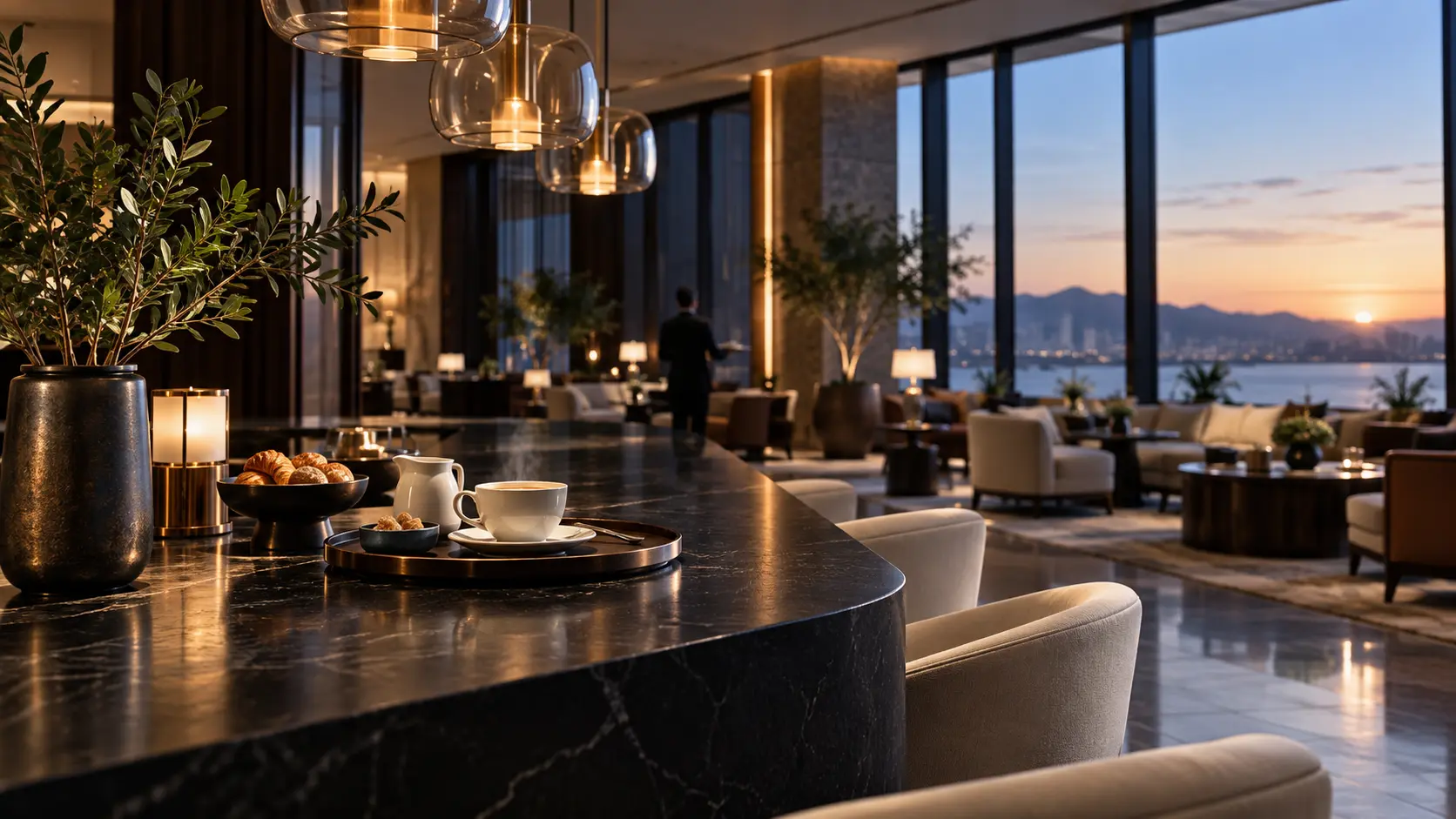
Rehearse a realistic cluster of orders, including espresso, longer black drinks, milk drinks and decaf. Use the actual cups and trays. Measure preparation and delivery together: the machine may finish quickly while the completed drinks wait for a server. Inspect the result at the table, because the guest experiences the whole journey.
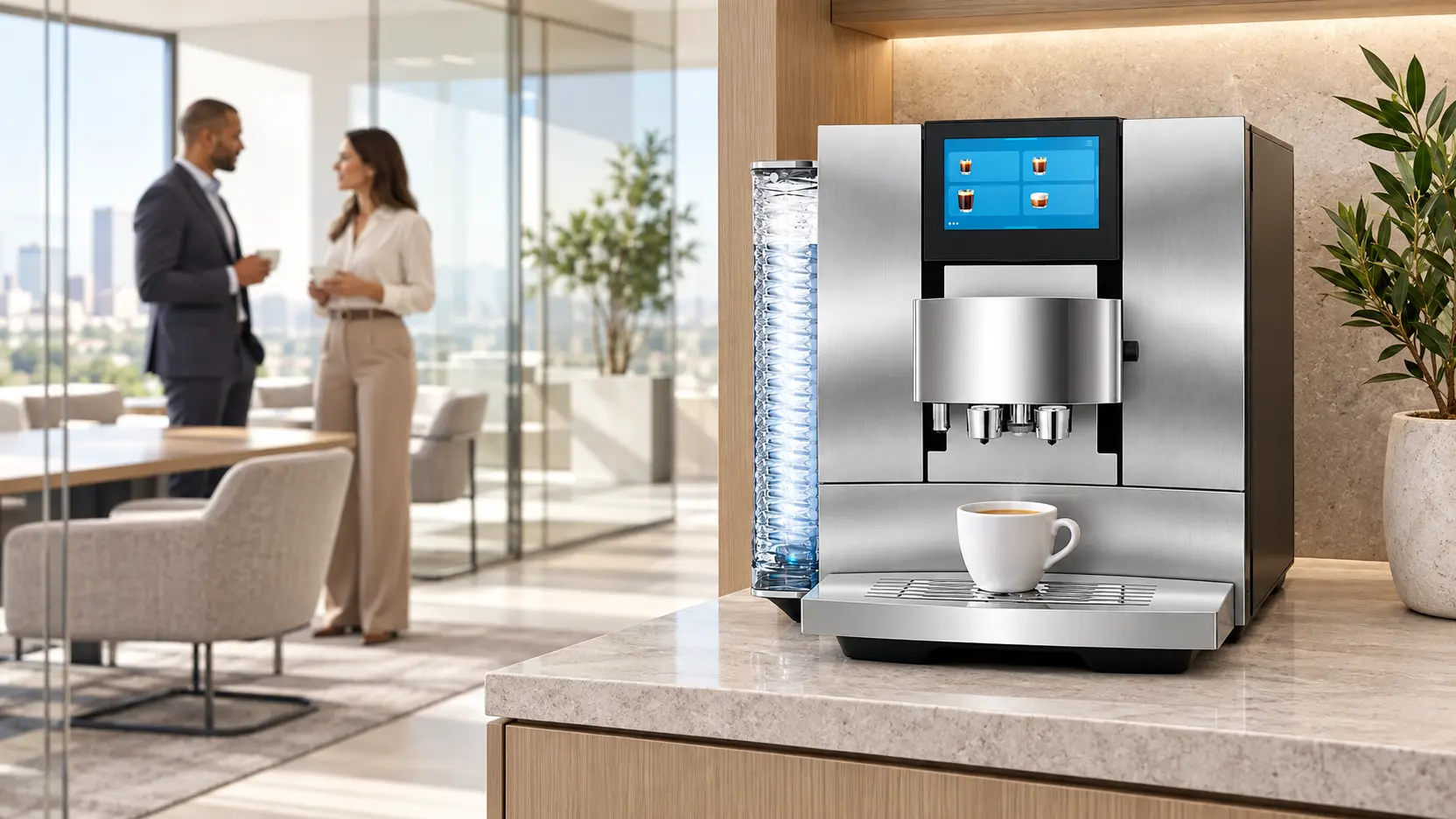
Begin with the restaurant’s intended beverage menu and ask the supplier to show how the proposed professional configuration delivers it. During the demonstration, have staff execute the actual serving sequence and identify every intervention required. Include cup selection, any milk handling, the handoff to the guest, and routine reset. The demonstration should reveal both beverage quality and the work surrounding it, so the team can judge whether the configuration supports service.
Prepare before the late service window
Include coffee in the pre-service briefing. Confirm stock, cup availability and the care tasks required by the exact equipment instructions. Identify which staff can resolve routine prompts and which issues require escalation. Keep approved supplies accessible to trained staff so an interruption does not trigger improvised substitutions.
Agree the last-order process with the dining room. Equipment care and closing work need a planned place in the shift, while guests need an accurate answer about availability. When late tables remain, designate who owns their coffee orders and who completes the remaining close. Avoid leaving those decisions to whoever happens to pass the station.
Review quality and effort together
Collect feedback on drink taste, order accuracy and timing, alongside the staff time the service consumes. A rarely ordered drink that repeatedly creates confusion may need a clearer recipe, additional training or removal from the menu. Check decaf identification and table delivery during spot reviews. The objective is a final course that feels considered and dependable, supported by a workflow the team can repeat.
Trace one table through the final course
Consider a table ordering two espressos, one cappuccino, and one decaf after dessert. The useful test begins when the server records the order, not when the first button is pressed. Check that the decaf identity remains visible through preparation and delivery, that the requested timing reaches the station, and that the finished drinks have an available route to the table.
Rehearse a second table arriving at the station before the first order is complete. Decide how staff prevent cups from being mixed and how the server recognizes a complete order. If drinks repeatedly wait for pickup, a new machine may not address the bottleneck. Review the collection signal, server responsibilities, and distance from the station to the dining room.
Make training useful during a real dinner shift
A recipe card should show the approved cup and presentation, plus any order detail staff need to verify. Keep decaf and requested modifications unmistakable. Teach new servers the timing question they should ask at the table and the words used on the ticket. Consistent language reduces the chance that the machine operator must interrupt preparation to interpret an order.
Include coffee in service recovery training. Staff should know who approves a remake, how an unavailable option is explained, and which alternative the restaurant can reliably provide. After a busy evening, review one successful order and one delayed order with the team. Specific examples create better improvements than a general instruction to make coffee faster next time.
Useful answers, before you decide.
Should servers make their own coffee orders?
That can work when the station and staffing support shared use, but it needs a defined queue and collection system. Compare the arrangement with a designated operator during an actual busy sequence. Choose based on order accuracy, delivery timing, and the effect on other service duties.
How do we decide whether a rarely ordered drink belongs on the menu?
Look at guest demand alongside ingredient waste, staff confidence, preparation steps, and service disruption. A low-volume drink may still serve an important guest need. Keep it when the purpose is clear and the team can execute it; otherwise test a simpler option before removing it.
Research notes and sources
These references informed this guide. Manufacturer instructions and final purchase terms take precedence.
- Franke official product information
 Workplace · 5 min
 Workplace · 5 min
 Workplace · 5 min