
The short answer.
Match menu promises to the ingredient workflow the station supports.
Give milk care an assigned owner and a protected closing window.
Use manufacturer guidance for compatible handling and accessories.
Design the whole milk journey
A milk menu begins before someone presses cappuccino and continues after the last drink. Sketch the journey from delivery and storage through service, replenishment and the prescribed cleaning routine. Assign responsibility at every handoff. A popular menu can still fail if nobody knows who prepares the station or handles milk at closing.
List the products you plan to offer and where they will be stored. Follow the ingredient supplier’s handling directions and the workplace’s food handling procedures. Confirm with the equipment supplier which products and containers are supported by the exact system, rather than assuming any alternative drink can use the same configuration.
Choose a manageable starting menu
Start with the milk drinks people actually request. Define a small set of cup sizes and recipes so staff can prepare and check the station consistently. If every drink has several sizes, extra shots and milk choices, test those combinations before displaying them as a permanent offer.
For example, an office may begin with one latte and one cappuccino size while retaining black coffee and espresso. This is an operating choice, not a universal best menu. Use employee feedback and observed demand to decide whether another option adds enough value to justify its storage and service work.

Resolve ingredient questions honestly
Write a clear process for guests or employees who ask about milk ingredients or cross contact. Keep ingredient information available and identify the person who can answer questions. Do not promise that changing a container, pipe or menu label creates an allergen free drink unless the full process has been appropriately established and verified.
If the station cannot reliably meet a particular request, offer a clear alternative or direct the person to another service arrangement. The important operational step is recognizing the request before brewing and giving staff a consistent response. Improvised substitutions during a queue are difficult to control and confusing for users.
Protect the care window
JURA instructs W8 users to clean the milk system on days when milk has been prepared. Build the applicable manufacturer’s care routine into the staffing plan and make sure the required supplies are available. A closing assignment should specify who completes the work and how completion is handed over.
Also plan interruptions during service. Decide who checks the milk supply before a scheduled meeting and who can replenish it while the usual owner is away. Keep these tasks separate from recipe changes so an employee solving a supply issue does not accidentally alter the next person’s drink.
Trial, measure and simplify
Run a representative busy sequence with the actual milk products and cups. Record waiting, replenishment and questions as well as the taste of the finished drinks. Observe whether people understand the selection and whether staff can restore the station promptly after each interruption.
After two weeks, review which drinks are used, which create repeated confusion and how reliably the closing routine is completed. Simplify low value choices or adjust ownership before adding more variety. The strongest workplace milk menu is one the team can support consistently through the entire day, including the unglamorous work after service finishes.
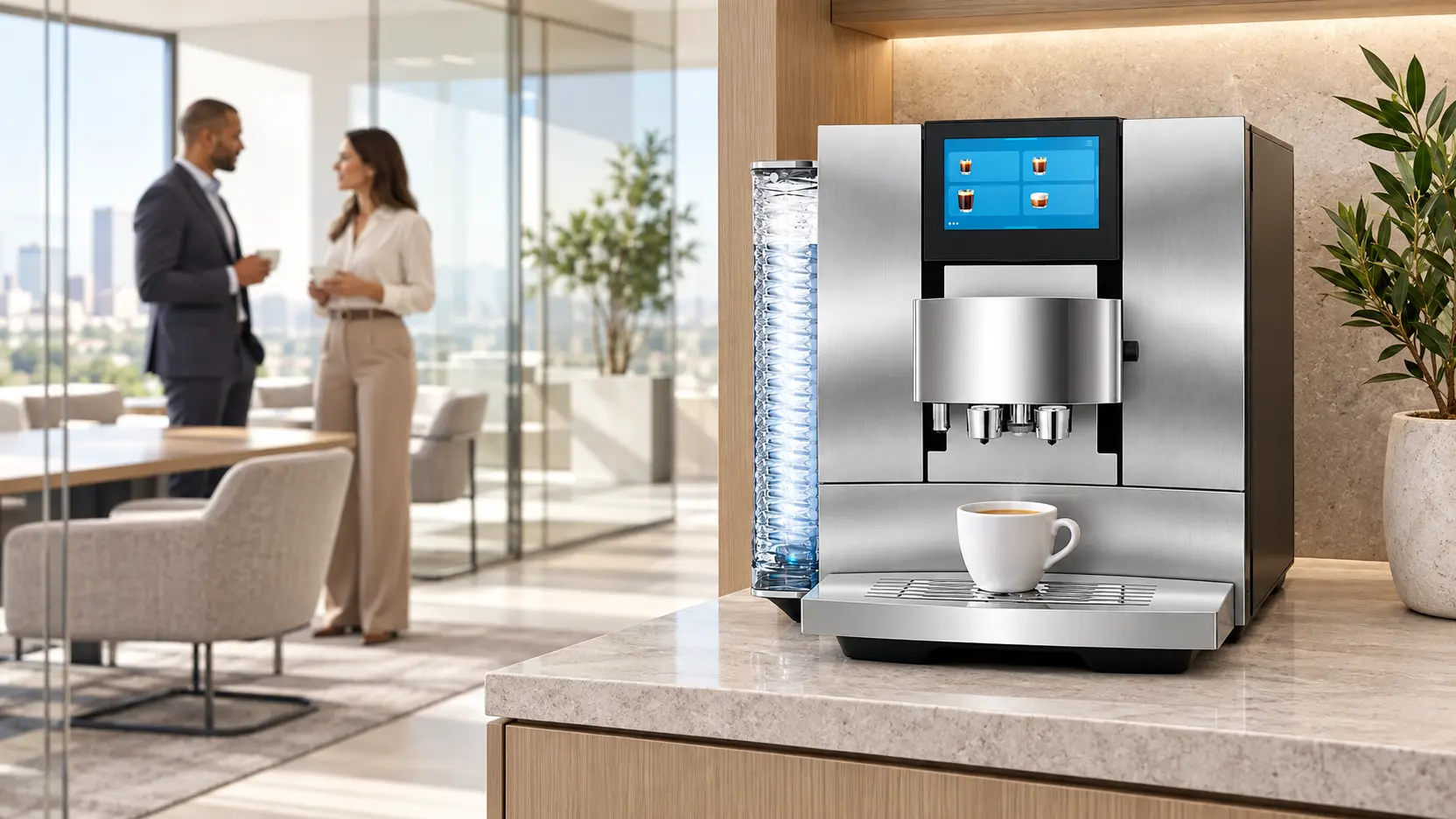
Make milk choices understandable before expanding them
Create a small matrix with the drinks offered, the ingredient used, the supported equipment configuration and the person responsible for replenishment. Mark any request the station cannot reliably support. This gives staff a clear service boundary and helps prevent a menu label from implying an ingredient choice that the operating setup does not actually deliver.
When evaluating an additional milk option, trial the whole request rather than just tasting one cup. Observe how the choice is communicated, how ingredients are identified, what equipment steps the supplier permits, where products are stored and what cleaning or separation process applies. Have the responsible food-service or workplace team assess the process. Adding another carton to the counter is not, by itself, a complete plan for accurate ingredient service or cross-contact control.
Treat optional accessories as workflow decisions. A compatible container or cooler may improve organization and service, but select it against the manufacturer’s requirements for the exact model. JURA’s maintenance guidance should lead decisions about milk handling; do not replace it with an improvised open-carton method. At handover, ask the supplier to demonstrate normal service, replenishment and the required closing routine using the accessories that are actually being supplied.
Useful answers, before you decide.
Does offering a plant drink make a station allergen-free?
No. Ingredient choice and cross-contact control are different questions. Keep labels available, establish the actual process with the responsible team and communicate limitations honestly before preparing a drink.
Should I buy every milk accessory immediately?
Choose what the exact machine and operating workflow require, then distinguish optional convenience upgrades. Ask the supplier to show how the proposed setup meets its instructions before adding accessories only for appearance.
Research notes and sources
These references informed this guide. Manufacturer instructions and final purchase terms take precedence.
- JURA W8 milk care guidance
- JURA milk system maintenance FAQ
 Workplace · 5 min
 Workplace · 5 min
 Workplace · 5 min