The short answer.
Confirm the exact Appia Life configuration and the team’s preparation workflow.
Treat the grinder, milk station and serving counter as part of one system.
Approve utilities and distinguish limited parts coverage from local labor and service.
Choose the operating style before the finish
A traditional espresso station works as a system of machine, grinder, operator and serving workflow. Begin with the people who will run it. Who adjusts the grind, who steams milk and who decides when a recipe needs attention? A café with trained baristas and a restaurant with rotating staff may require different levels of preparation and training even when they make similar drinks.
The Appia Life family offers configurations that must be identified precisely on the quote. Verify the exact group count and controls against the supplied reference rather than treating every Appia Life listing as the same machine. The right configuration is the one that supports the intended team and counter, with installation requirements that the site can meet.
Map the grinder to the service pattern
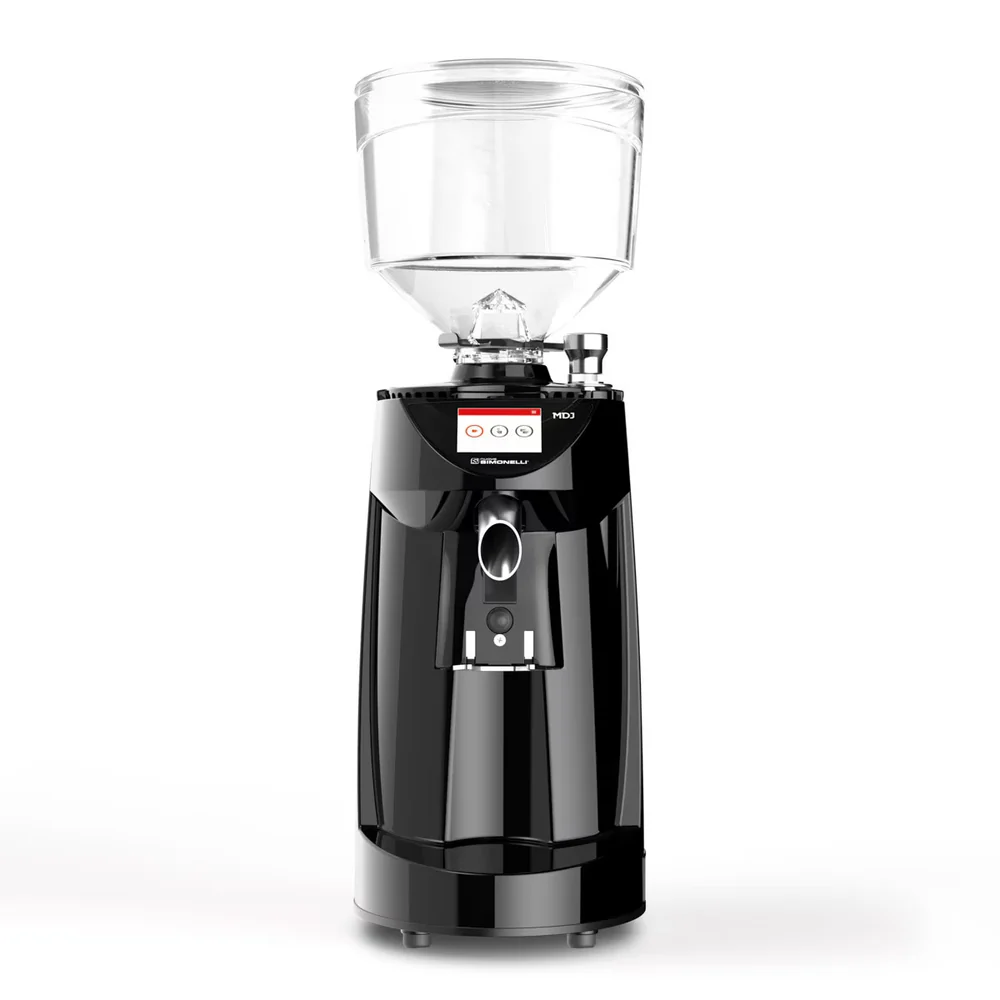
A traditional espresso workflow needs a suitable grinder and a way to maintain the intended coffee recipe. Specify which bean will be the house espresso and how often another coffee or decaf is ordered. Ask how the grinder, portafilter handling and preparation space will fit into the busiest service period. A second coffee option can require a different arrangement from a single house blend.
Request a demonstration with the intended cup sizes and a realistic sequence of orders. Include weighing or other recipe-control practices the team will actually follow. A grinder should not be selected solely because its brand matches the machine. Confirm the exact grinder reference, adjustment method, service support and wear-item maintenance before adding it to the order.
Draw the complete counter workflow
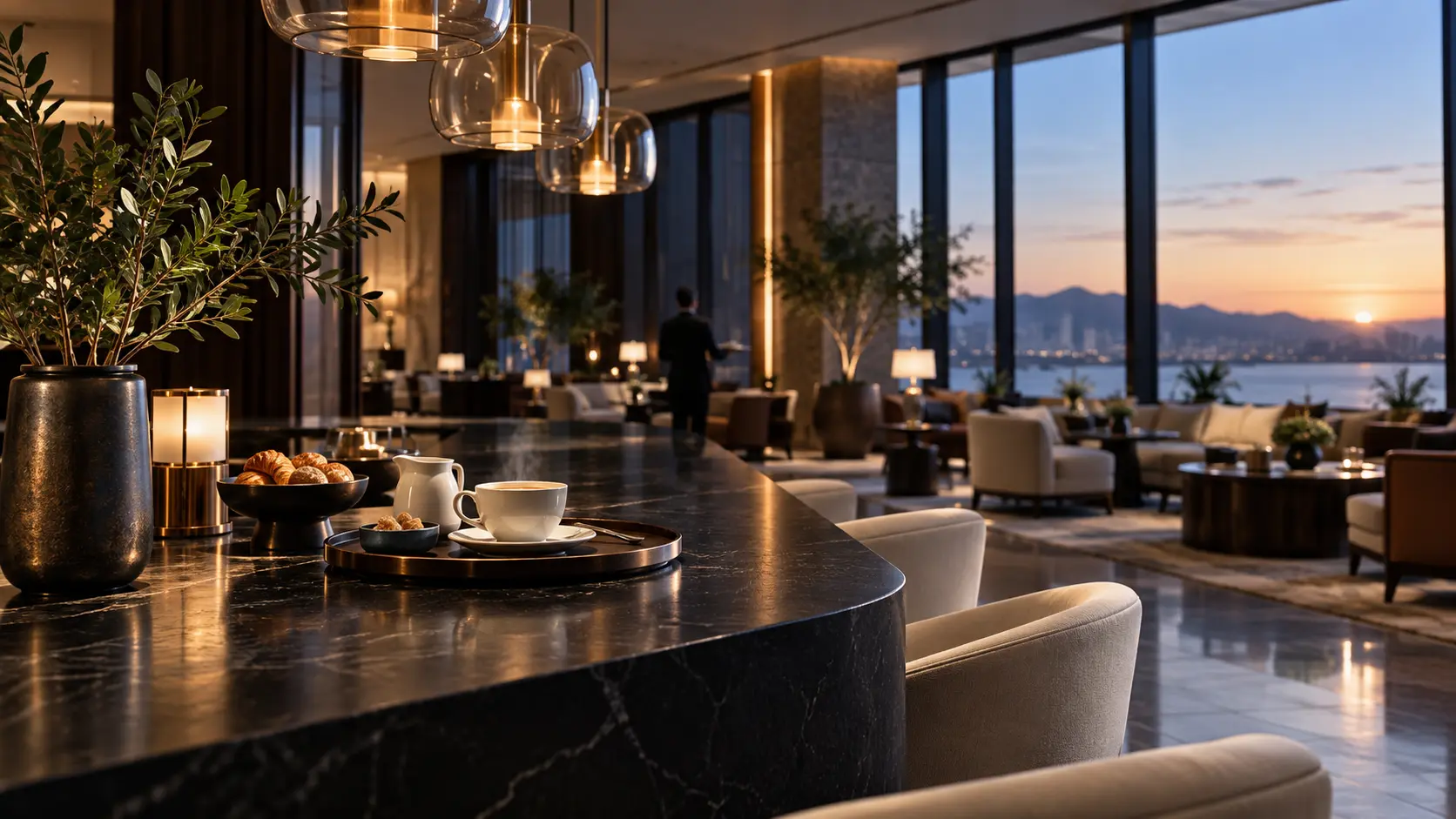
Lay out the grinder, machine, milk refrigeration, knockbox or waste handling, cups and handoff position. Walk through two staff working together and a single staff member working alone. Watch for crossing arms, repeated turns and a finished drink waiting where the next cup should go. These practical details can influence service more than an additional feature on a specification sheet.
Include space to clean and access equipment, not just space to display it. Counter depth, surrounding cabinets and equipment delivery access belong in the survey. If the finished station includes accessories supplied by several vendors, collect their dimensions and utility requirements into one drawing rather than approving each item in isolation.
Have the authorized installer approve utilities
Confirm the electrical service, treated cold-water supply and drain requirements for the exact supplied machine. Nuova Distribution USA’s written warranty includes installation and water-quality conditions. Have the appropriate installer review the site before committing to an installation date; a nearby outlet and water pipe are not proof that the arrangement is suitable.
Keep the site survey, water-treatment plan and commissioning record with the equipment invoice. Record what ongoing checks the owner must perform and who replaces treatment materials. If local conditions change, the installation plan should provide a clear contact route rather than expecting the café team to improvise around an unfamiliar utility problem.
Separate parts warranty from local service
The June 23, 2026 US dealer policy gives new espresso equipment a 24-month limited parts term from the original invoice. Other new non-espresso equipment has a 12-month parts term. Labor, wear items and the required service arrangements must be considered separately; an equipment warranty is not a promise that every service visit or interruption is covered.
Ask the supplier to identify the authorized installer and the service coverage area. If the café lies outside direct dealer coverage, confirm the approved service plan before purchase. Obtain a written explanation of labor, travel and response arrangements. The purpose is a workable operating plan, not merely the longest number displayed beside the price.
Commission the team as well as the machine
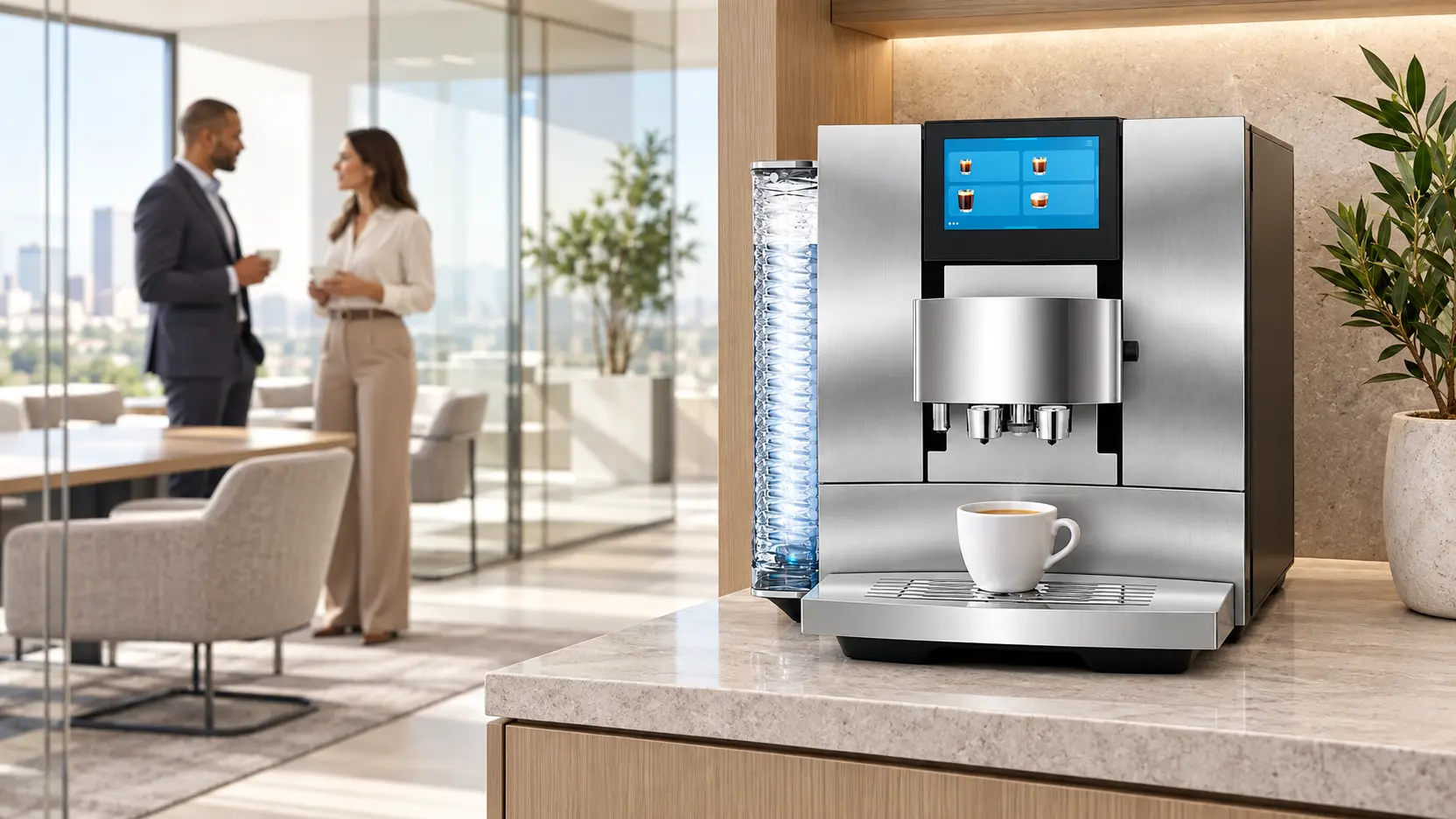
At handover, have the staff prepare the daily recipes, replenish supplies and complete the closing care routine using the delivered equipment. Agree who may change recipes and who records a fault. Keep the instructions easy to find beside the model and serial identifiers, without turning the guest-facing counter into a noticeboard.
The final purchase brief should explain the menu, service peak, exact machine and grinder, approved utilities, training and support. CoffeeDepot’s role is to help structure that shortlist. The retailer confirms the live order and the exact supplied configuration. A considered installation makes the café experience feel simple because the complex decisions were resolved before the first service.
Useful answers, before you decide.
Does a traditional espresso machine replace the need for a grinder?
No. A traditional whole-bean espresso workflow requires a suitable external grinder and a recipe routine. Confirm the selected equipment and workflow with the supplier.
Is 24-month parts coverage the same as two years of free service visits?
No. The written US policy limits manufacturer coverage to eligible parts. Labor, travel, wear items and service arrangements require their own confirmation.
Research notes and sources
These references informed this guide. Manufacturer instructions and final purchase terms take precedence.
- Nuova Simonelli Appia Life manufacturer product reference
- Nuova Distribution USA Standard Dealer Limited Warranty, revised June 23, 2026
- Nuova Simonelli Appia Life 2–3 group US manual

 Workplace · 5 min
 Workplace · 5 min
 Workplace · 5 min