
The short answer.
Approve each drink as a complete recipe, cup, and service workflow.
Use an ingredient matrix to reveal stock and handling complexity.
Give new menu items a trial period and explicit review criteria.
Design around the occasion
A breakfast room, meeting venue, restaurant, and reception lounge do not need identical coffee menus. Start with the guest’s occasion and the way drinks reach them. Note whether they order from a server, approach a counter, or use the machine themselves. Then identify a small set of familiar drinks that serves the most common requests.
Observe the timing of demand as well as the total. A menu that works during a relaxed afternoon may create hesitation during a short conference break. Use guest feedback and actual orders where available. Treat an untested seasonal drink as a trial rather than expanding the permanent menu before anyone knows its operational effect.
Create a recipe card for every drink
Define the cup, finished drink size, coffee recipe, milk or other ingredients, finishing steps, and presentation. Use measures staff can reproduce with the equipment provided. Keep approved recipe changes in one place so the display, training notes, and service team agree. A drink name alone is insufficient when different employees interpret it differently.
Confirm that the offered machine configuration can reproduce the launch menu. Resolve optional preparations and required accessories with the supplier instead of assuming that every feature discussed for a product family is included in this offer. Demonstrate each planned drink using the actual cups and ingredients before printing menus or promising it to guests. A shorter verified menu is easier to launch confidently than a long list whose preparation remains uncertain.
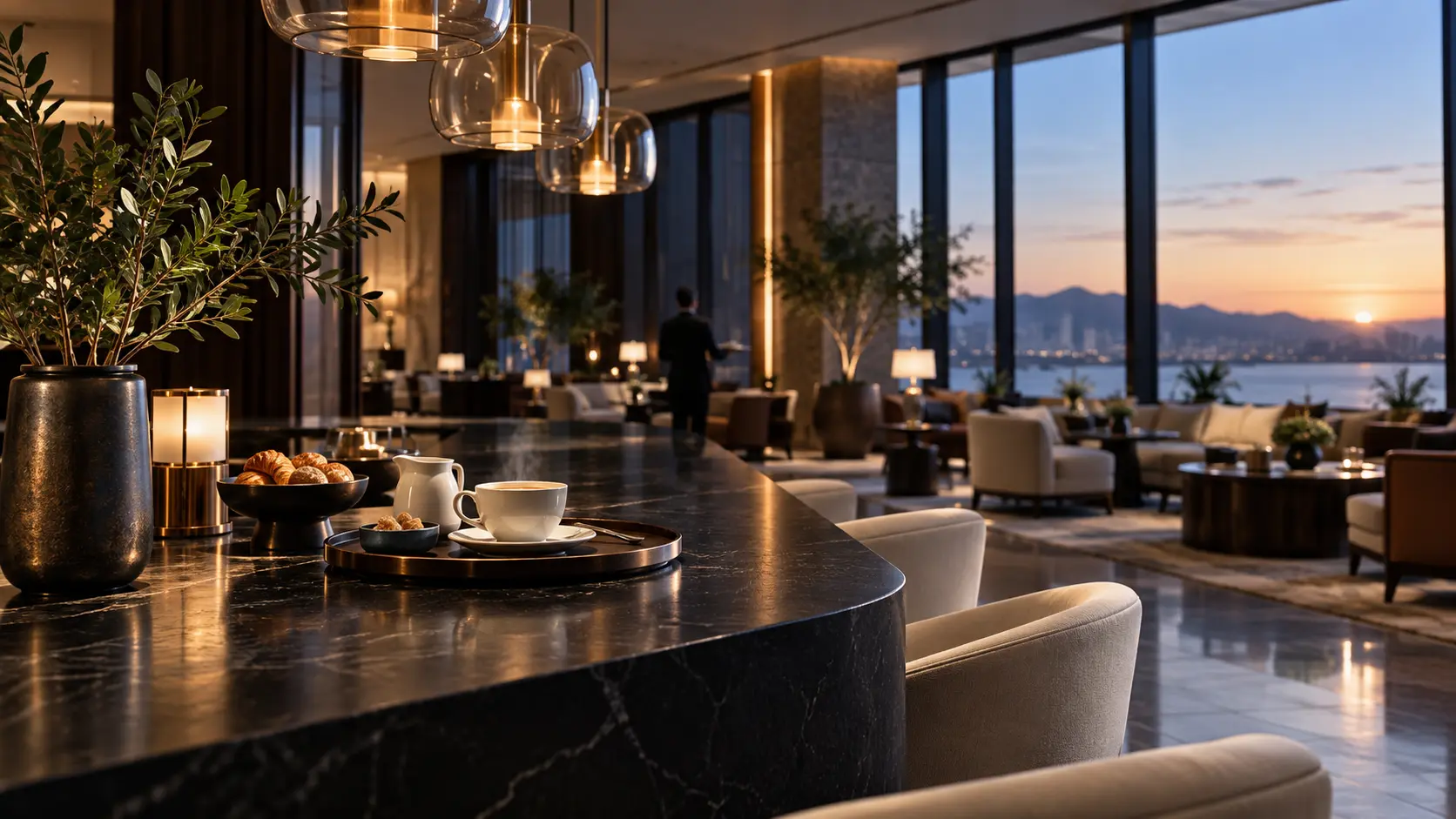
Count the work created by variety
Each additional ingredient needs purchasing, storage, replenishment, handling instructions, and a decision about leftovers. Each new cup or serving format occupies space. Build an ingredient matrix showing which drinks share supplies. A thoughtfully chosen variation may add guest choice while using the same core stock; a rarely ordered specialist item may add disproportionate work.
Rehearse a representative mixed order with the team. Watch for trips to a distant refrigerator, confusion over cups, or a finishing step that blocks collection. If service becomes awkward, simplify the recipe or move the required item after checking the layout. Do not rely on a nominal machine output figure to predict the entire guest experience.
Communicate ingredients and choices clearly
Use names guests recognize and a short description when a drink is unfamiliar. Make optional additions and available sizes easy to understand. Keep ingredient information accurate and accessible to the staff answering questions. Follow the venue’s established food handling and allergen procedures, and avoid promising separation merely because the menu includes a plant-based option.
Give staff a clear response when a requested drink or ingredient is unavailable. Agree a suitable alternative and update the visible menu promptly. For self service, reduce unnecessary decision steps and explain cup selection before preparation begins. For table service, make sure the order terminology matches the recipe labels used at the machine.
Launch small and review the evidence
Review sales or selection counts, ingredient waste, guest questions, remakes, and preparation difficulty. Discuss what happens during the busiest session with the people working it. Keep successful drinks, improve confusing ones, and retire options that lack a clear purpose. Set a review date for seasonal items so temporary stock does not become a permanent complication.
- Approve a recipe and cup for every visible menu item.
- Check the final equipment configuration against the launch menu.
- Train ingredient questions and unavailable-item responses.
- Use demand, waste, and workflow to guide the next menu change.
Test an ingredient matrix before adding a drink
Suppose the launch menu includes espresso, a longer black coffee, cappuccino, and latte. A proposed flavored latte may share the same cup and milk workflow but introduce an additional ingredient and finishing step. A different chilled presentation may require a separate cup, storage arrangement, and collection routine. Compare the complete operating change instead of treating both additions as one extra button.
Write each drink down the side of a simple sheet and each ingredient or serving item across the top. Mark what every recipe uses. The result makes shared supplies and one-off purchases visible. Review storage, replenishment, staff instructions, and leftover stock before approving the new drink. This is especially useful when a seasonal idea looks attractive but has not yet demonstrated repeat demand.
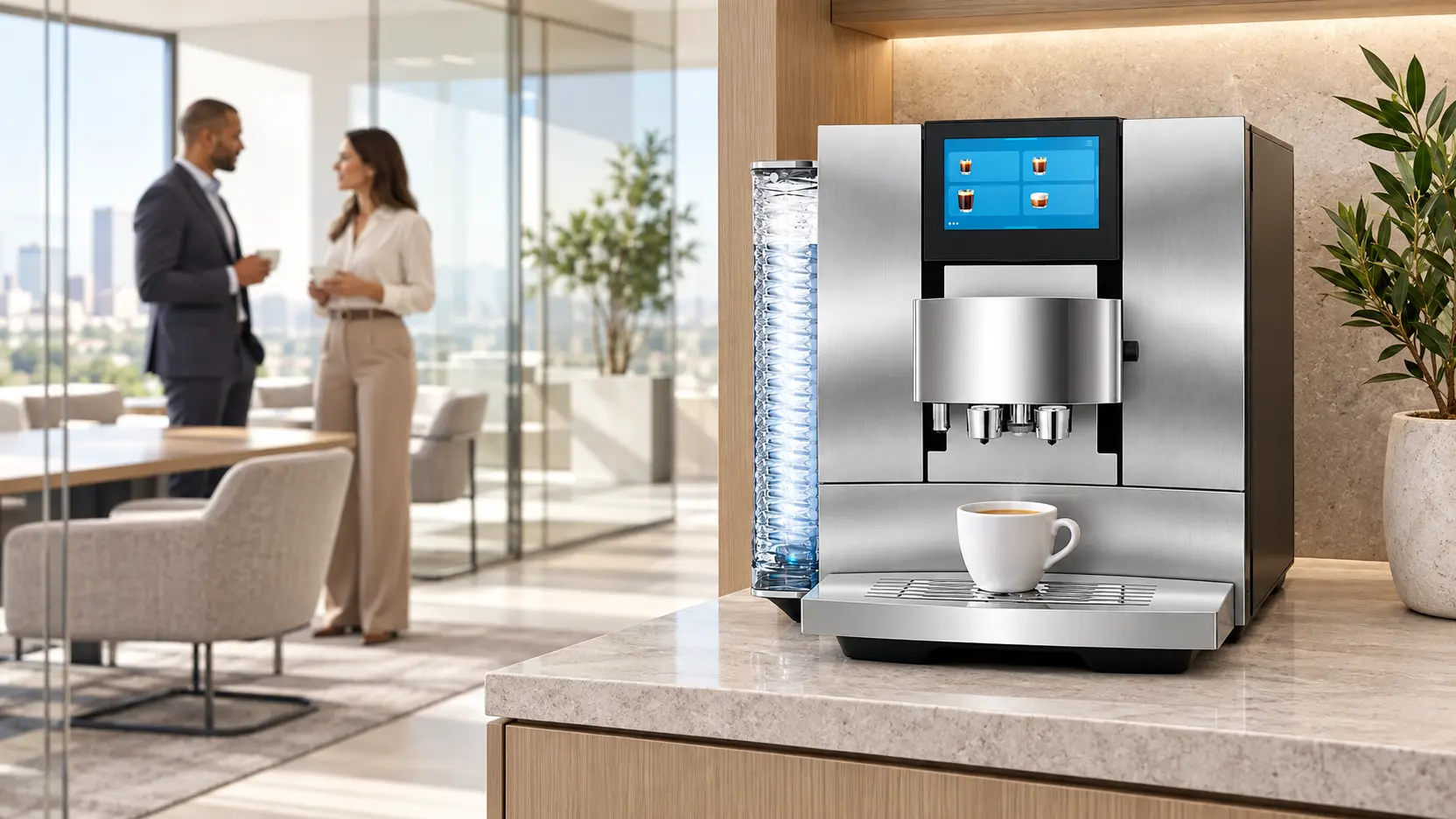
Give menu changes an opening and closing date
For a trial drink, agree when it launches, what information staff should collect, and when the team will decide whether to keep it. Record actual orders, remakes, guest questions, and unused ingredients. Ask whether it serves a distinct guest request or mainly duplicates an existing option. A successful trial should explain both the guest benefit and the work needed to deliver it.
Keep the printed menu, screen names, ordering system, and recipe cards synchronized. If an ingredient becomes unavailable, update the visible offer instead of expecting servers to remember a verbal exception. Make optional additions and any extra charges clear before preparation. When a drink is retired, remove obsolete recipe instructions and review the remaining stock so temporary complexity does not continue unnoticed.
Useful answers, before you decide.
How many drinks should appear on the launch menu?
Start with the smallest menu that addresses the main guest occasions you have identified. There is no universal ideal count. Test whether first-time users understand the choices and whether staff can execute a mixed order reliably; add variety when evidence shows a useful gap rather than filling screen space.
Should menu descriptions include every ingredient?
Use concise descriptions that help guests choose, while maintaining accurate detailed ingredient information through the venue’s established process. Staff need to know where that information lives and how to handle questions. Do not let a short menu description become an unsupported assurance about suitability or ingredient separation.
Research notes and sources
These references informed this guide. Manufacturer instructions and final purchase terms take precedence.
- Franke A600 menu and configuration information
 Workplace · 5 min
 Workplace · 5 min
 Workplace · 5 min