
The short answer.
Check usable capacity and spout fit before buying a full set.
Choose a cup that feels comfortable during normal use.
Include storage, washing, and replacement in the decision.
Start with the drink you finish
Choose cup size from your preferred serving, not from the largest drink the machine can produce. A generous mug can be attractive but may encourage a recipe that feels diluted or overfilled. Measure the amount you normally enjoy and leave sensible room for milk, foam, or movement where relevant.
If several drinks are part of your routine, two practical sizes may be more useful than a large coordinated collection. A small cup for concentrated coffee and a larger one for milk drinks can cover many households. There is no requirement that every cup match perfectly for the station to feel considered.
Check physical fit
Compare your cup's height with the exact model's documented spout clearance. Include travel mugs only if you actually expect to use them. Do not assume that a tall glass in a product photograph represents every configuration or that removing a tray is an approved everyday workaround.
At a demonstration, place the real cup under the spout and prepare the intended drink if possible. Notice the handle position and whether you can remove it comfortably. A cup that technically fits can still be awkward to place, especially if the station is crowded by a milk container or nearby cabinet.

Think about the hand, not just the photograph
Pick up the cup empty and consider how it will feel with a hot drink. Is the handle comfortable? Is the base stable on your serving surface? Can a guest carry it naturally? These are personal observations rather than universal design rules, so test the shapes you actually like.
Check the maker's care instructions before assuming dishwasher, microwave, or preheating compatibility. Decorative finishes and double-walled designs may have specific guidance. A beautiful cup should suit your real cleaning routine as well as the look of the kitchen.
Plan storage and the return journey
Decide where clean cups wait and where used cups go. A set that does not fit the shelf can create clutter even when each piece is lovely. In a shared space, keep the preferred sizes easy to distinguish so people do not fill a small cup with a large saved recipe.
If you entertain, consider how many drinks you typically serve at once rather than buying for an imaginary maximum event. A modest everyday set plus a small guest reserve often feels simpler than storing every possible vessel beside the machine.
Buy one before buying twelve
When uncertain, test one cup for a week. Use it for the actual recipe, wash it normally, and see how it fits the station. That small trial can reveal whether the size, handle, and shape remain pleasant after the novelty fades. Cups are part of the interface between the machine and the person; choosing them thoughtfully can improve everyday use without changing a single machine setting.
Put it into practice
Create a small cup record with height, comfortable serving amount, and the drink assigned to it. If the machine is shared, align saved recipe names with recognizable cups. This can prevent accidental overfilling and reduce repeated adjustments. The record need not be displayed prominently; it is simply a useful reference when buying replacements or explaining the setup to a guest.
Test the cup through its whole journey
A cup moves from storage to the machine, into a hand, onto a table, and eventually back through washing. Try that sequence with one sample before buying twelve. Check whether the handle is comfortable, whether the rim feels pleasant, and whether the cup sits securely where you actually drink. A striking shape may look wonderful on a product page while being awkward to carry when full.
Measure comfortable serving volume rather than filling to the absolute rim. Milk foam, stirring, and ordinary carrying all need sensible room. For a tall travel vessel, check the exact machine’s permitted cup clearance and any documented adjustment. Do not force the vessel under a spout or remove parts in a way the instructions do not allow simply to make a favorite cup fit.
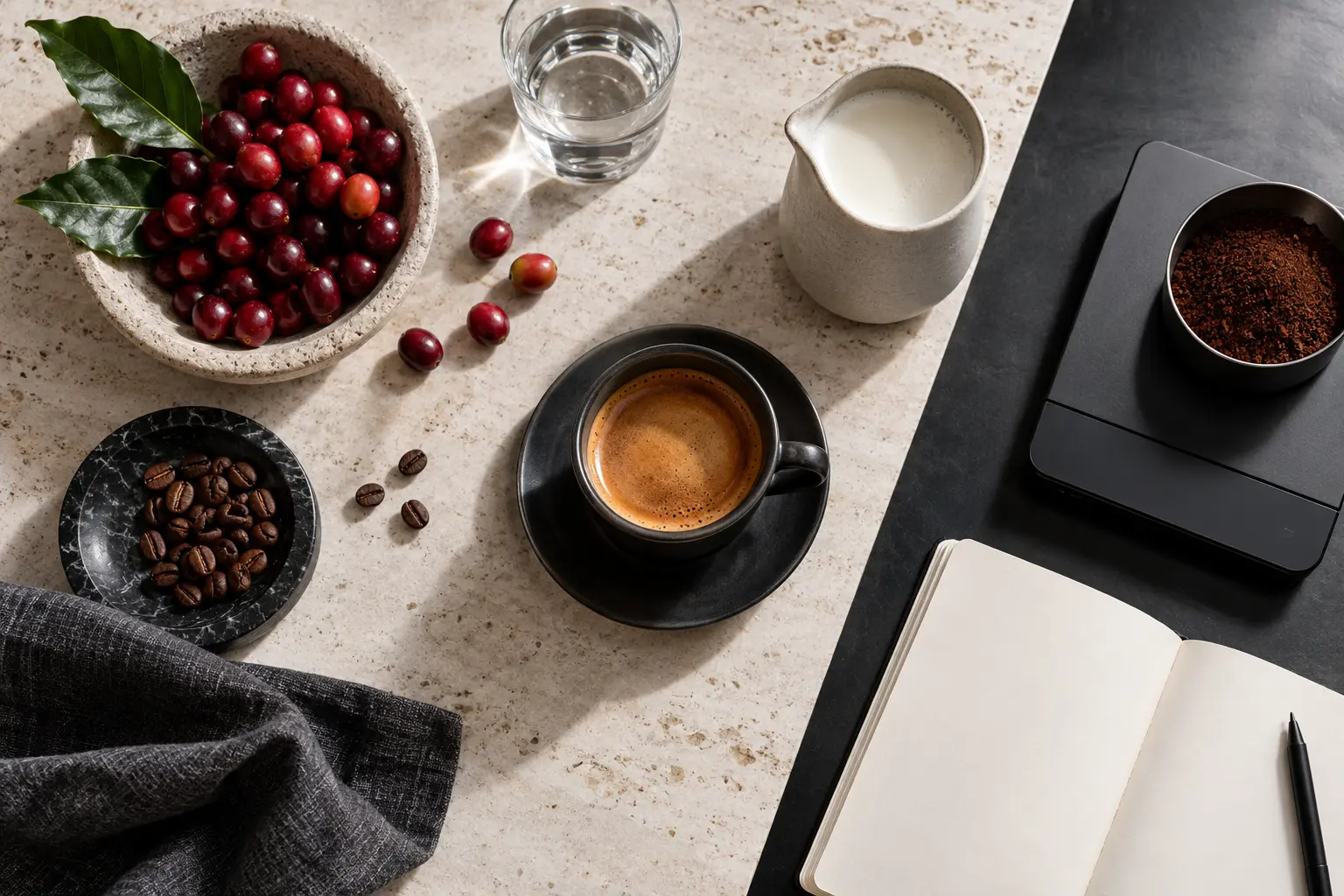
Build a small collection with clear roles
Choose a compact everyday set around the drinks you repeat. A smaller cup can serve a focused coffee occasion, while a larger mug can belong to a longer drink that remains enjoyable at that size. If two cups are almost interchangeable, ask whether you need both. Fewer well-chosen pieces are often easier to store and reset than a display assembled around every possible menu entry.
For an office or hospitality setting, include the person who clears and washes cups in the decision. Consider where used cups accumulate and how clean stock returns to the station. Avoid promising that a particular design will change beverage quality without a suitable basis; the practical benefits here are fit, comfort, presentation, and ease of handling. A useful cup supports the service rather than making it more delicate.
Useful answers, before you decide.
Should I buy cups before the machine arrives?
You can shortlist them, but verify exact clearance and intended serving sizes first. Buying one sample reduces the risk of discovering that an entire set is awkward beneath the spout or too large for your preferred drink.
Is the largest cup the most versatile?
Not necessarily. It may encourage an oversized recipe and be less pleasant for a small serving. Choose the size around what you finish comfortably, then check whether it works with the machine and your storage.
 Ownership · 5 min
 Ownership · 5 min
 Ownership · 5 min