The short answer.
Verify the exact article number and generation before applying the 46-preparation menu.
Two grinders are useful when two coffee choices are part of normal daily use.
Choose milk storage and cleaning supplies around the routine, then add optional conveniences.
Start with the exact J10 twin, not a family nickname
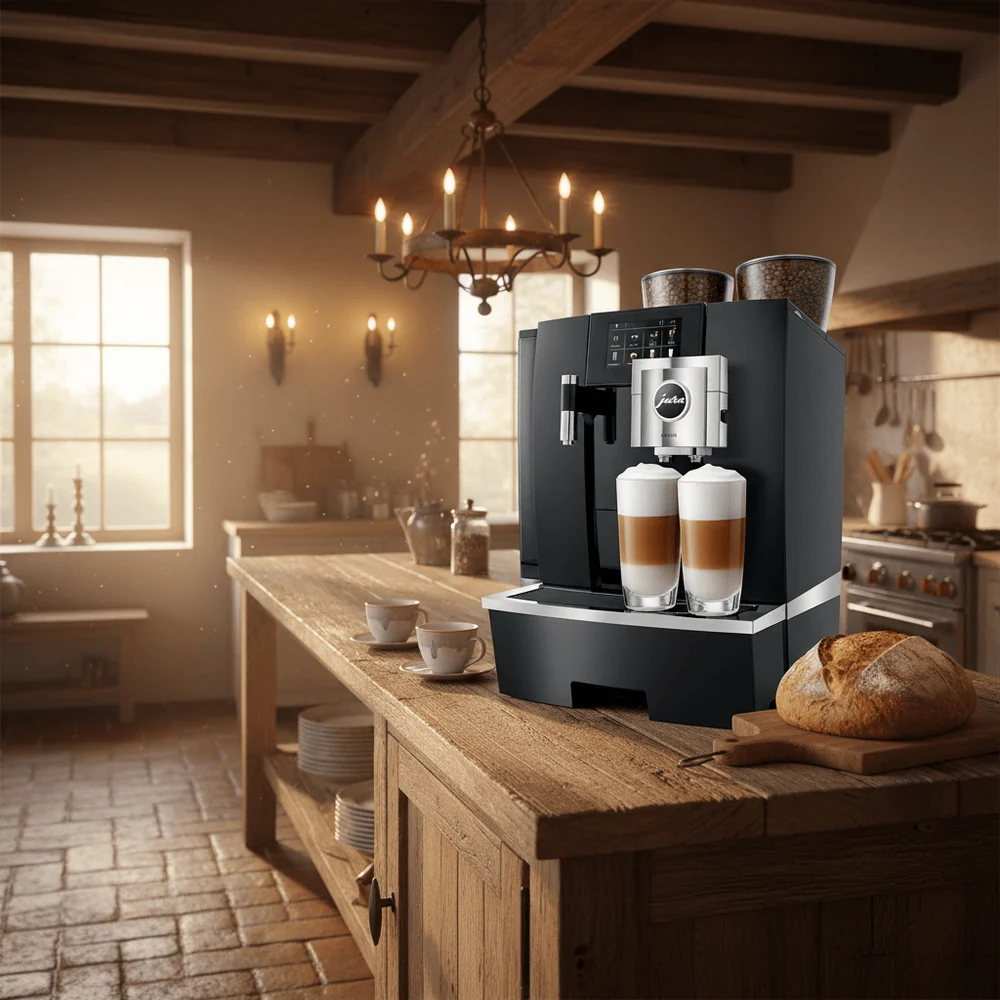
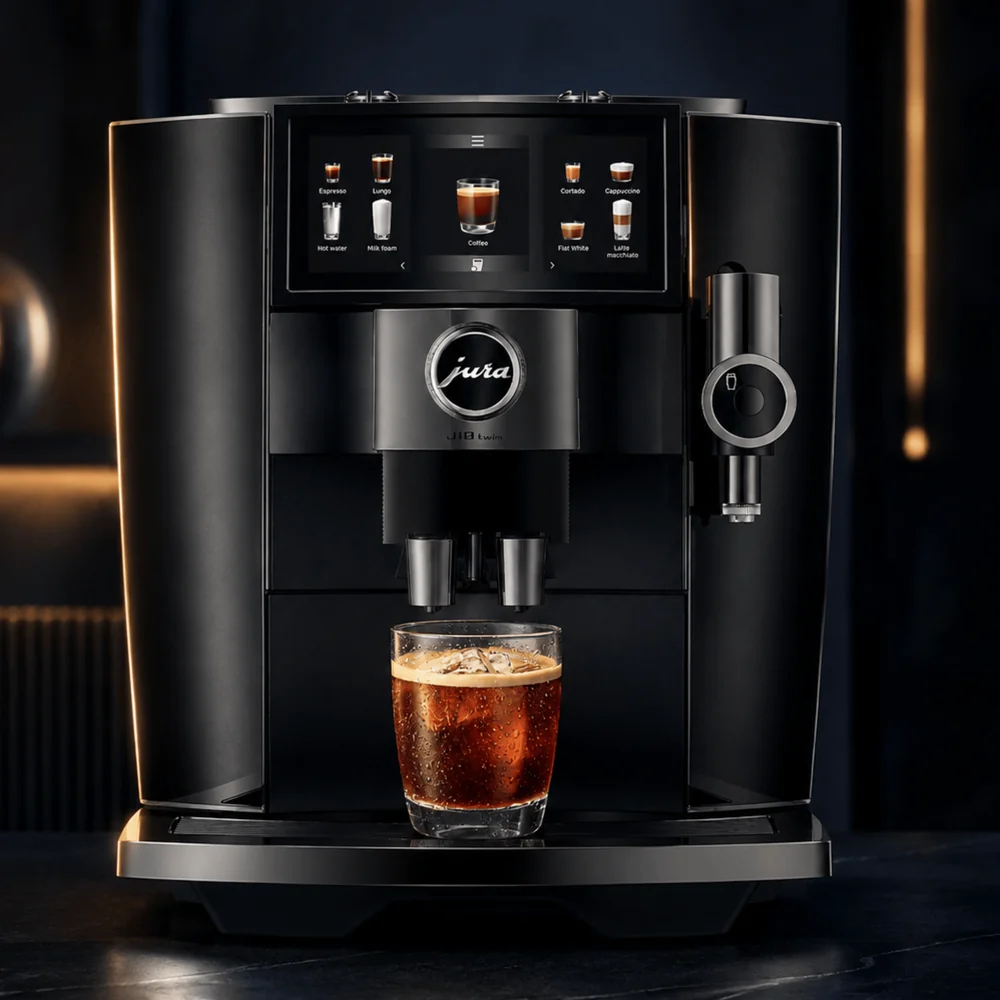
The useful starting point is the article number. JURA’s US J10 twin Diamond Onyx NAA reference is 15724. The manufacturer lists 46 preparations, two P.A.G.3+ grinders and hot, cold, light and sweet options for that model. Those facts belong to that reference. A retailer listing with another color, article number or similar twin-machine name needs its own verification; an attractive product photograph cannot establish the generation.
Write the chosen article number beside the finish on your order checklist. Then compare the manufacturer menu and supplied accessories with the exact selected configuration. This takes less time than untangling a mismatch after delivery and is especially useful when bundles or older stock appear beside a newer machine. Keep the machine identity separate from the retailer’s optional package.
Turn two grinders into a simple daily habit
The editorial reason to consider this machine is two regular coffee preferences. A household can keep a favorite everyday roast in one hopper and another roast or decaf in the second, then select the relevant coffee when preparing a drink. Two grinders are most useful when the choice happens often enough that repeatedly emptying one hopper would be frustrating. They are less valuable if everyone enjoys the same bean and rarely changes it.
Give each hopper a clear purpose during the first week. Use the same cup when adjusting a familiar recipe and change one setting at a time. If you later experiment with blending the coffees, record the selection with the saved recipe so another household member can reproduce it. Separate hoppers do not prove that a prepared drink is entirely caffeine-free; consult the manufacturer for any strict caffeine or ingredient-separation requirement.
Read the menu by drinking occasion
The preparation total includes variants and serving modes as well as named drinks. Use the complete manufacturer list on the product page to check your favorites, then group them around a real day: a short black drink before leaving, a milk drink at breakfast and perhaps a cold preparation later. You do not need to remember the entire menu to enjoy a versatile machine.
Ask a demonstration to show the exact preparation you expect to use rather than accepting a general statement that it makes everything. A preset name is a starting point for a cup, not a guarantee of your preferred size, strength or foam balance. Choose your everyday cup before refining those settings.
Budget for the milk routine, not just a prettier container
Plan where fresh chilled milk will live, how the connection will reach the machine and who will clean the milk components after use. The standard new-machine equipment list includes a milk pipe and starter cleaning materials, but it does not establish the contents of every retailer bundle. Confirm the supplied items before adding a second set to the order.
A powered cooler is an optional convenience decision. Compare it with a compatible container that returns to refrigeration between uses. A beautiful carafe does not remove the need for chilled milk or regular cleaning. Sweet preparations also require the appropriate attachment and ingredients; check the exact instructions before treating a specialty preset as ready to use with no additional preparation.
Measure the whole operating space
Mark the proposed position with tape, leaving room to reach the beans, water tank and removable tray. Stand where you would normally prepare coffee and test whether opening a cabinet, placing a tall cup or carrying a milk container creates an awkward movement. The published body dimensions are only the beginning of a useful fit check.
For a shared kitchen, test the route with the person least interested in learning the machine. Can they recognize their saved drink, place their cup and see what needs replenishing? A purchase that feels easy to both users is more valuable than a demonstration that works only when the enthusiastic owner explains every action.
A purchase brief you can hand to a specialist
A good brief might read: two daily users, regular and decaf beans kept ready, one flat white and one black coffee, occasional cold drinks, measured counter access and an agreed cleaning routine. This is an illustrative household, not a capacity claim. It explains why two grinders matter and prevents an occasional novelty from quietly becoming the deciding feature.
Finish the shortlist with the exact finish and article number, your three preferred preparations, required starter supplies and any genuinely useful optional accessory. Confirm the written warranty, retailer fulfillment terms and current stock before paying. If the machine is intended for an office or hospitality site, move to professional workload planning rather than inferring suitability from its premium household features.
Useful answers, before you decide.
Does 46 preparations mean 46 entirely different drinks?
No. The manufacturer total includes drink variants and serving modes. Read the exact menu and check your preferred preparation instead of treating the total as a count of unrelated beverage families.
Does a twin grinder guarantee a caffeine-free decaf drink?
No. Separate bean choices are convenient, but this guide does not claim zero caffeine or certified ingredient separation. Ask the manufacturer about a strict requirement before purchase.
Research notes and sources
These references informed this guide. Manufacturer instructions and final purchase terms take precedence.
- JURA J10 twin Diamond Onyx NAA 15724: menu, specifications and supplied equipment
- JURA J10 twin NAA US instructions for use
 Buying guides · 5 min
 Buying guides · 5 min
 Buying guides · 5 min